
My Journey to Rebuilding Self-Trust

Do you find yourself second-guessing every decision, from what to order at dinner to major life choices? How did you get here?
I originally built my five steps to building self-trust during a very heavy time in life, it was a journey.
I struggled to trust my own intuition, not because my intuition was untrustworthy, but because my nervous system went into complete overdrive after a series of traumatic life events. It wasn’t until about a year and a half after my traumatic experiences that I started to have panic attacks, insomnia, difficulty sitting still, struggling to focus for long periods of time no matter how hard I tried, and jumpy at the littlest things.
Before this, I never struggled with being distracted, restless, or having difficulty concentrating. But now here I was wondering if I had undiagnosed ADHD. For me, it was simply that my nervous system was in fight or flight for too long. My system was uncontrollably searching for threats resulting in several side-effects that made it very difficult to trust myself. It wasn’t until a therapy session until I first heard the word “Hypervigilance” that the light bulb went off for me. It was through Knowledge, my first pillar towards self-trust that I could really start to understand why my system was reacting the way it was. It wasn’t that my intuition was broken, it was that my nervous system was hurting.
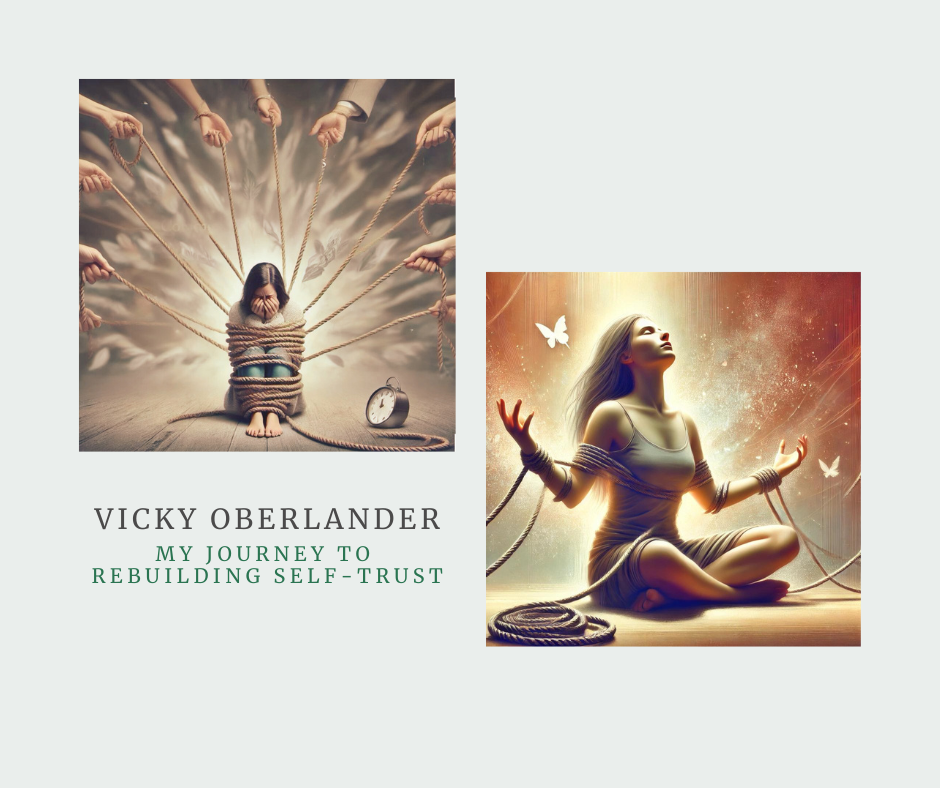
So here’s the thing, I was mentally exhausted from overthinking every decision. Hypervigilance keeps you stuck. You overthink everything instead of moving forward with confidence. One small way to move forward is to make promises to yourself; like reading a book, waking up at the time you set your alarm, going to therapy, seeking support, and avoiding unsafe situations. For me it was every time there was something that helped to create a positive shift, I wrote it in my phone’s notebook, because I know if it can help me, it can help others! I’m not a counselor, psychologist or other therapist. Also, trauma responses vary significantly from person to person. It’s important to seek professional care and it’s also helpful to find peers that have experienced transformation after their darkest days.
Setting healthy boundaries was vital for me to create a safe environment for myself, and soothe my nervous system. One of my coaches helped me through core value work and really introduced boundaries to me. This is still fairly new to me, but I feel like it is absolutely vital for protecting myself physically, emotionally, mentally, and spiritually. Boundaries reinforce safety and other core values.
It was through the boundary work that I really started to notice how much I lead with compassion. Compassion is one of my top values. It comes naturally for me to give compassion to others; however, it took me work around self-love and self-worth, to realize I also deserve the things that I value. I deserve to be treated with Compassion, Respect, and Integrity. I get to set the culture of what I want in my life, and make it a standard. I’ve never been one to mirror others’ misbehavior, but somehow I learned to accept their poor behavior. And by accepting their poor behavior, I’m showing myself that I don’t deserve the respect, compassion, and integrity that I so highly value. I’ve learned to honor myself, by creating boundaries around the standards I want to live by.
But what exactly does that mean? Do I just disown someone for making a mistake and being human – NO. I’m learning to use it as a tool for me to communicate what I expect in my interactions, but I am also choosing to meet it with Grace and Compassion. Because guess what – we all make mistakes. I’m embarrassed over some of my mistakes, but I face them with accountability and consequences AND with love and understanding. I remind myself that I deserve grace and compassion as well as the people I love. With the complete understanding that I will not give my valuable time and energy to unsafe people and situations.
I am still on this beautiful journey of self-discovery & self-trust. I love learning. And the best way to learn is through living a big and beautiful life full of purpose and possibility. When something stings my soul or challenges my being, I take the time to learn from it. Just a few days ago, I was feeling down and troubled. I ended up writing a new song as I worked through the pain. When we learn how to take our pain and create something beautiful or meaningful, big things shift inside of us. I’d love to hear from you about your journey of self-trust!
These 5 steps to self-trust helped me find myself and step into trusting myself once again. I feel more grounded and secure in my environment & my decisions. I truly believe self-trust can be rebuilt. It’s not about becoming perfect or never making mistakes. It’s about building confidence in yourself. You can handle whatever comes your way and make decisions that feel right for who you are.
Here’s the framework that helped me move from hypervigilance back to self-trust —
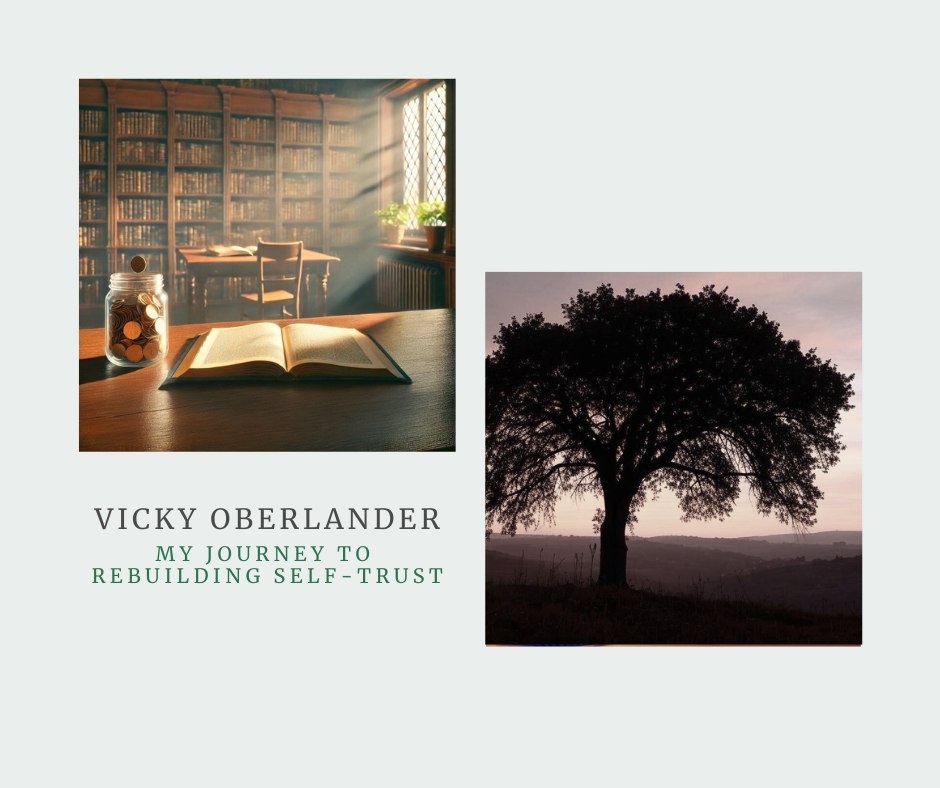
1. Knowledge is Gold When It Comes to Building Self-Trust
Here’s what I’ve learned: uncertainty breeds anxiety, and anxiety kills trust. When you don’t understand what’s happening in your life—your patterns, your triggers, your reactions—everything feels unpredictable and scary. But knowledge? Knowledge is power, and power builds confidence.
Start with these knowledge-building strategies:
- Study what resonates with you. I was reading, listening to audiobooks, YouTube Educational Series, podcasts, and even songs that spoke to my pain. It seemed like the more I understood the more I wanted to know. I became absolutely HUNGRY for the TRUTH. I found additional comfort, tools, and support in both therapy and life coaching services.
- Keep a journal to track your thoughts, feelings, and reactions. Look for patterns over time. When do you feel most confident? What triggers self-doubt?
- Use a feelings wheel to get specific about your emotions. “I feel bad” tells you nothing useful. “I feel overwhelmed, anxious, and disappointed” gives you something to work with.
- Write down negative thoughts, then practice reframing them. That critical inner voice isn’t telling you the truth—it’s telling you old stories that no longer serve you.
The goal isn’t to have all the answers. It’s to understand yourself well enough that your decisions start feeling less like random guesses and more like informed choices based on who you are and what matters to you.
2. Make Promises to Yourself and Keep Them
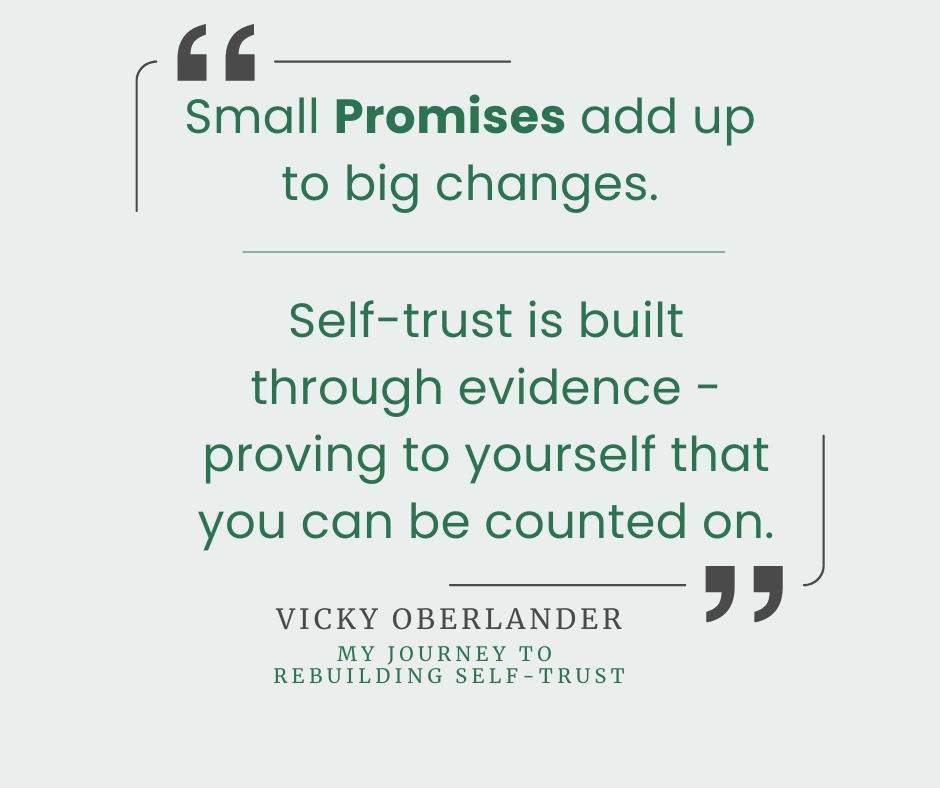
Self-trust is built through evidence, and the evidence comes from proving to yourself, over and over again, that you can be counted on. Small promises add up!
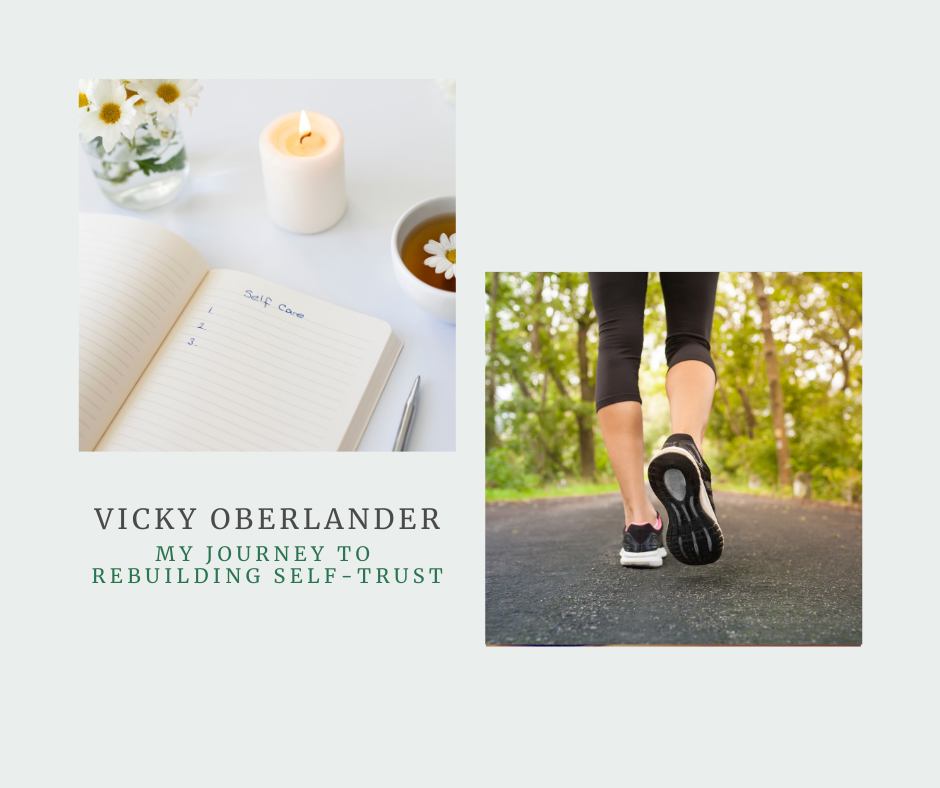
Start small and focus on things that genuinely matter to you. Maybe it’s a weekly bath ritual that helps you decompress. Maybe it’s a daily walk that clears your head. Maybe it’s setting aside 30 minutes each morning for yourself before the world demands your attention.
The specific promise doesn’t matter as much as the fact that you make it and keep it. Each time you follow through, you’re depositing proof into your self-trust bank account: “I said I would do this, and I did it. I can rely on myself.”
Here’s how to set yourself up for success:
- Choose promises that align with your values. If health matters to you, commit to movement. If creativity feeds your soul, promise yourself time to create.
- Start ridiculously small. Better to keep a 5-minute daily promise than to break a 1-hour one.
- Example Framework. “This week I will [specific action] at [specific time] because [personal value it serves].”
- Track your progress. There’s something powerful about seeing visual evidence of your consistency.
- Celebrate the wins. Acknowledge the effort you’re putting in, even when progress feels slow.
Remember: small promises add up to big changes. You’re not just building a habit—you’re building proof that you can trust yourself to do what you say you’ll do.
3. Set Healthy Boundaries to Create Safety
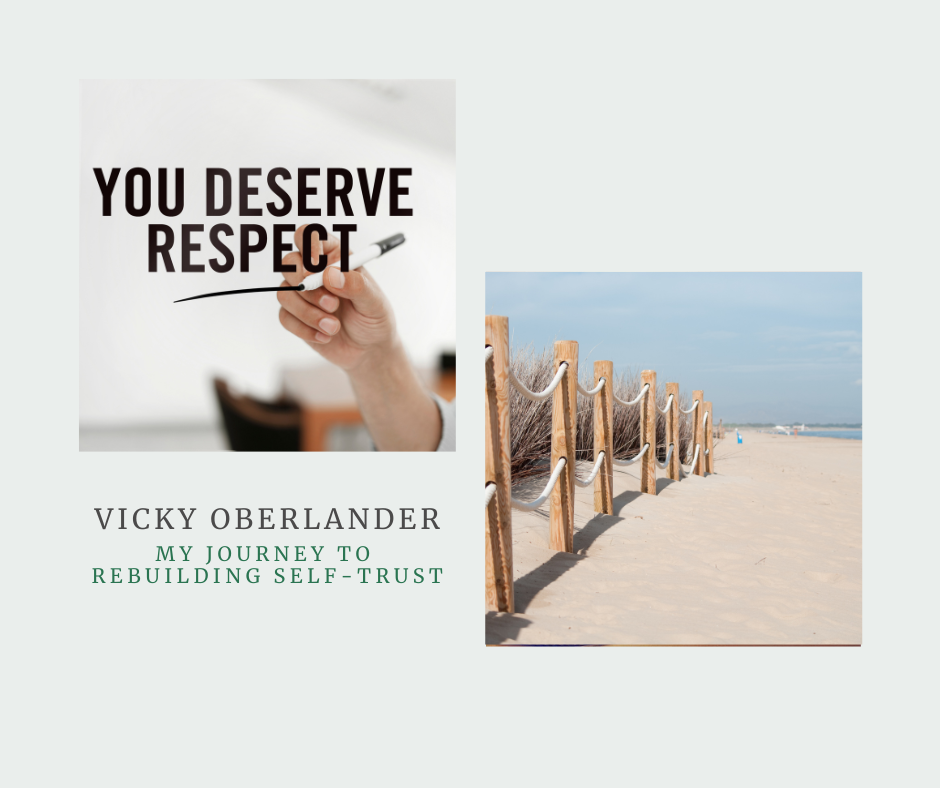
You can’t trust yourself if you don’t feel safe, and safety isn’t just physical—it’s emotional, mental, and spiritual too. Boundaries aren’t meant to be walls that keep people out. They’re guidelines that help you create a safe space. A place where you can thrive and make decisions from strength and not from fear.
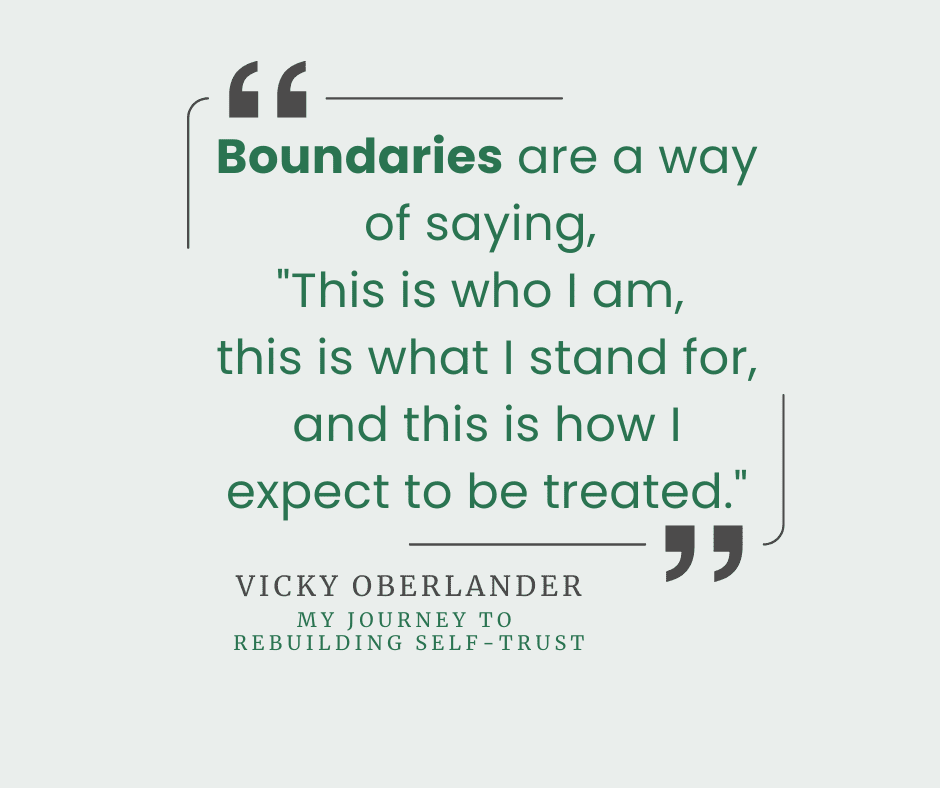
Boundaries reinforce your core values and protect what matters most to you. Boundaries are a way of saying, “This is who I am, this is what I stand for, and this is how I expect to be treated.”
Consider boundaries in these key areas:
With others:
- If respect is important to you, set boundaries around how people speak to and about you
- If family time is a priority, protect it by saying no to work requests during designated family hours
- If honesty matters to you, distance yourself from relationships built on deception or manipulation
With yourself:
- “I trust my intuition. If something feels wrong, I pay attention to that feeling.”
- “I don’t make major decisions when I’m emotional, tired, or under pressure.”
- “I speak to myself with the same love and compassion I’d show a good friend.”
With your environment:
- Limit exposure to news, social media, or conversations that increase your anxiety without adding value
- Create physical spaces that feel calm and supportive
- Set financial boundaries that align with your values and goals
Boundaries aren’t selfish—they’re essential. They create the safe space you need to hear your own voice and trust your own judgment.
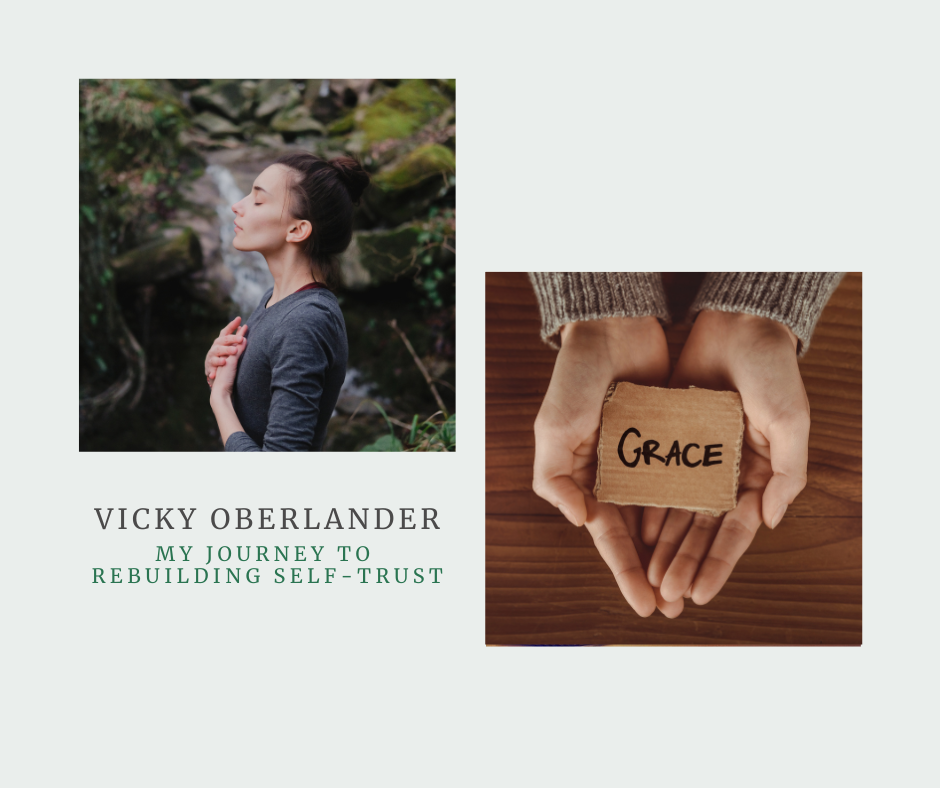
4. Show Yourself Grace and Compassion
Here’s the truth nobody talks about: you will mess up. You’ll make decisions that don’t work out. You’ll break promises to yourself sometimes. You’ll have days when self-doubt feels overwhelming.
This doesn’t mean you’re failing at building self-trust—it means you’re human.
The people who have strong self-trust aren’t the ones who never make mistakes. They’re the ones who treat themselves with compassion when mistakes happen and use those experiences as opportunities to learn and grow stronger.
Here’s a few affirmations and BIG Truths – I would speak to myself during my biggest challenges.
- “I am strong.”
- “I am courageous.”
- “I am beautifully made.”
- “I can do hard things.”
- “I trust my instincts.”
- “I deserve to live my best life.”
- “I deserve to be treated with love & respect.”
When things don’t go as planned, practice self-forgiveness by focusing on the lesson learned rather than dwelling on the mistake. Ask yourself: “What did this teach me? How can I use this experience to make better decisions going forward?”
Growth comes from compassion, not perfection.
5. Continue Learning from Your Life Experiences
Some experiences will shake you to your core and temporarily shatter your ability to trust yourself – and that’s a normal response to abnormal circumstances. While these experiences can initially destroy self-trust, as you heal and rebuild, you often discover a deeper, more intentional form of self-trust than you had before. Not every experience needs to be mined for lessons immediately – some just need to be survived first.
The key is to approach your life with curiosity rather than judgment, when you’re ready. Whether it’s a financial mistake, a relationship challenge, a career setback, or a moment of triumph, each experience is data that helps you understand yourself better. Now, not every experience warrants a deep dive! This framework is intended to be a tool to help you through significant experiences so you can keep moving forward with greater awareness without the overwhelm.
After any significant experience, ask yourself:
- What did I learn about myself through this situation?
- How did I handle stress, uncertainty, or success?
- What patterns am I noticing in how I respond to challenges?
- How can I use these insights to make better decisions in the future?
- What strengths did I discover that I didn’t know I had?
Keep a learning journal where you track:
- Situations that triggered strong reactions
- Decisions that turned out well and why
- Moments when your instincts proved right
- Times when you surprised yourself with your resilience
- Patterns that might need attention or adjustment
The goal isn’t to overwhelm yourself. It’s about knowing yourself well—your patterns, strengths, and areas to grow. When you know yourself, you can face new situations with confidence.
Your Journey Forward
Building self-trust isn’t a destination—it’s a practice. Some days will feel easier than others, and that’s perfectly normal. What matters is that you keep showing up for yourself, one small promise at a time, one boundary at a time, one moment of self-compassion at a time.
As a financial coach, I’ve seen what happens when people reclaim their ability to trust themselves. They stop second-guessing every money decision. They set boundaries around their financial goals. They make choices aligned with their values rather than their fears. They build the life they actually want instead of the one they think they should want.
But this goes far beyond money. When you trust yourself, you make decisions from a place of strength rather than fear. You honor your values. You create relationships and opportunities that align with who you truly are. You stop living in hypervigilance and start living with intention.
Your next step is simple: Choose one area from this framework and commit to it for the next week. Maybe it’s keeping one small promise to yourself daily. Maybe it’s setting a boundary you’ve been avoiding. Maybe it’s starting a journal to track your thoughts and patterns.
Whatever you choose, remember: you have everything you need within you to rebuild trust with yourself. You’ve survived challenges before. You’ve made good decisions before. You have wisdom, strength, and intuition that deserves to be honored and trusted.
By: Vicky Oberlander
9/17/2025 – Revised Edition of “5 Steps to Strengthen Self-Trust”
Also Follow Me on > Facebook | Instagram | YouTube | LinkedIn